Tulasi Psychiatric Clinic
- Address
- 2/6, Block 2, Sarvapriya Vihar, New Delhi, Delhi 110016
- OPD
- Wed and Fri, 2 to 6 pm
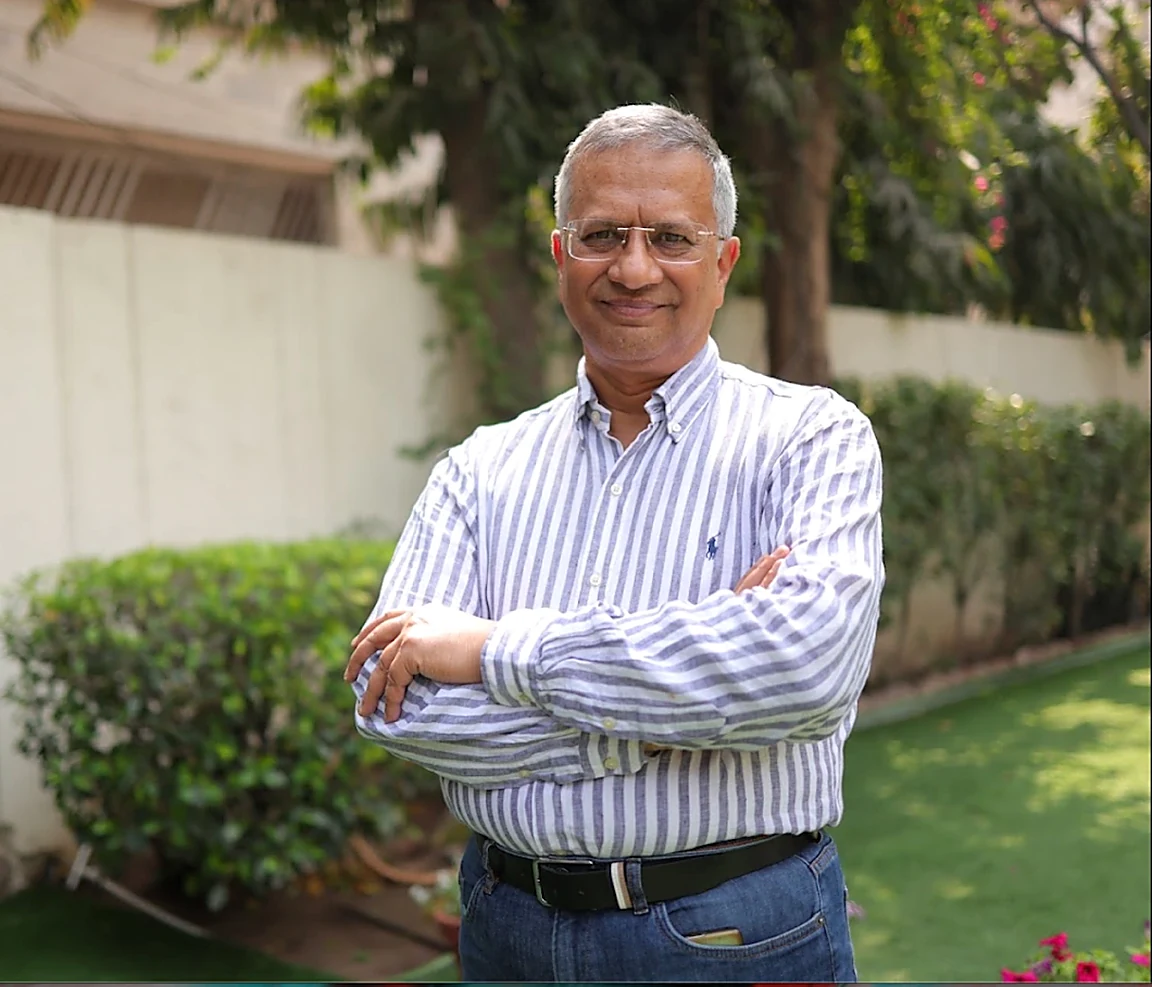
 Dr. Gorav Gupta
Book Consultation
Compassionate psychiatric care, in person or online. Pick a time that suits you.
Book AppointmentBook a consultation
Leave your number and the team calls you back. For a consultation in New Delhi or Gurugram, or online, for yourself or for someone in your family.
Someone from Dr. Gupta’s team will call you back during OPD hours to find a time that suits you. The call comes from a Delhi number.
If it is urgent, call +91 88000 00255 now.
No travel needed
Someone from Dr. Gupta’s team calls during OPD hours to understand what is going on and to find a time. The call comes from a Delhi number.
In person at one of the consulting rooms, or online. If a family member is the one seeking help, they can make the appointment and come along.
Any earlier prescriptions, discharge summaries or test reports, and the names and doses of anything being taken now. If you have none of that, come anyway.
A full history and assessment, and a treatment plan matched to severity. Where it helps, structured assessment tools are used alongside the conversation.
If low mood, anxiety, compulsions, substance use or changes in thinking are getting in the way of work, relationships or sleep for more than a few weeks, an assessment is reasonable. You do not need to be certain what is wrong. Describing it accurately is the first task.
A full history and assessment, in person at Tulasi Psychiatric Clinic or Sector 64, Gurugram, or online. Where it helps, structured assessment tools are used alongside the conversation. A treatment plan follows, matched to severity.
A plan matched to severity (medication, CBT or DBT, Deep TMS, biofeedback), delivered by a team rather than one clinician and adjusted as things change.
For chronic illness and addiction, the months after the acute phase matter most. Aftercare, review and rehabilitation continue well past the point where the crisis has passed.
Yes. Consultations are available online as well as in person at our consulting rooms.
For long-term conditions such as schizophrenia, bipolar disorder and addiction, family support is part of care, and the team works with families on psychoeducation and aftercare.
More answers are in the full FAQ. Still have a question? Ask us on WhatsApp